
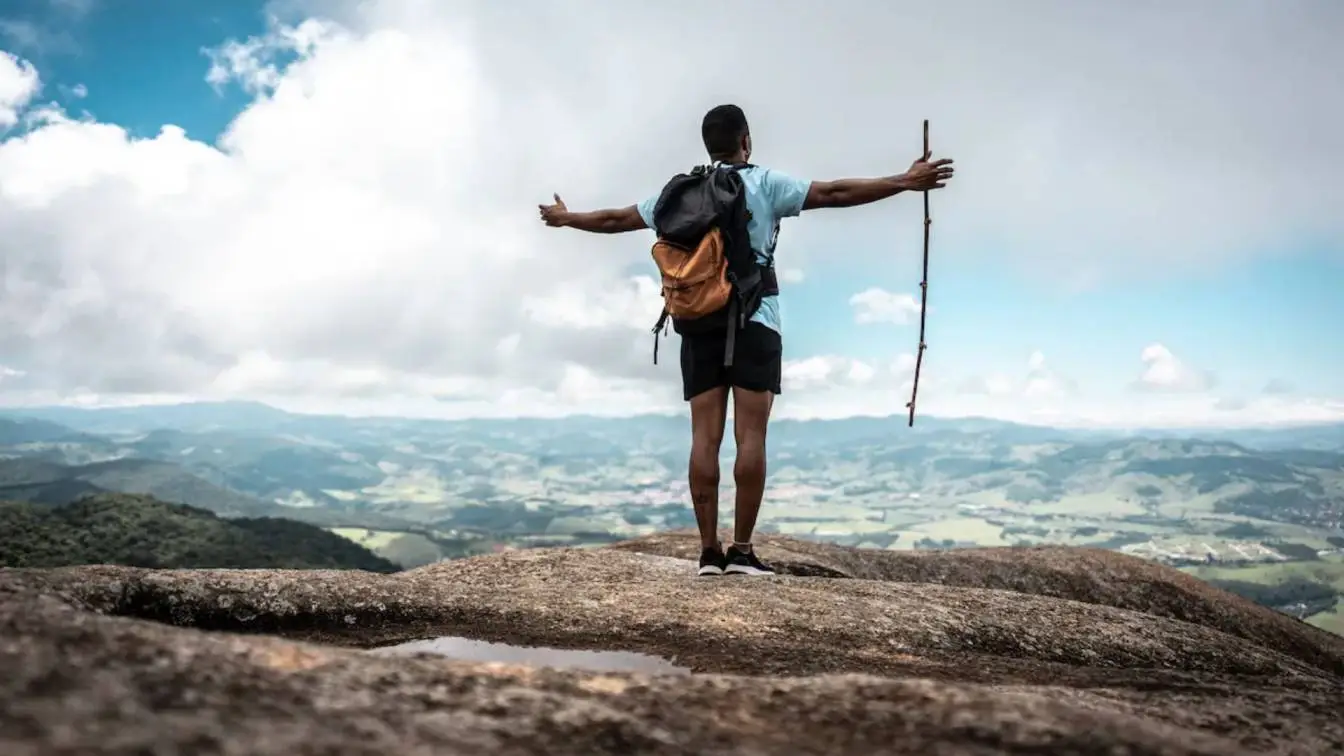
You are sitting on your bed. Your bag is packed. Your passport is in your hand. You check it for the tenth time. Your stomach feels weird. Not sick exactly. Just nervous.
Everyone feels this way.
I remember my first solo trip. I sat at the airport gate. My hands were sweaty. I almost turned around twice. Three times maybe. But I got on that plane. And everything changed after that. You are about to do something brave. Something most people never try. They talk about it. They dream about it. But they never actually do it. You are doing it.
That alone makes you different.
Picking Where to Go
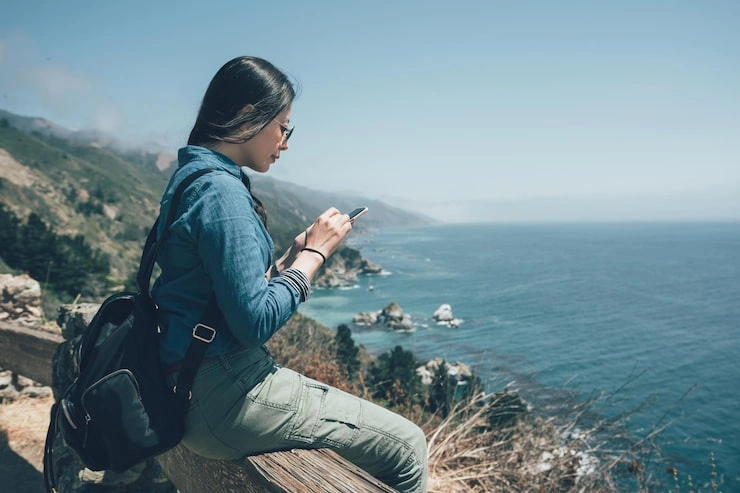
Here is something nobody tells you. Your first solo trip should be easy. Not impressive. best travel tips for first time solo travelers. I know someone who went to India for her first trip. She had a terrible time. Not because India is bad. It is beautiful. But she was not ready. The crowds overwhelmed her. The noise got to her. She could not find her way around. She came back and said she would never travel alone again. That broke my heart. Pick somewhere that speaks your language. Or at least has many people who do. Pick somewhere with good trains or buses. Pick somewhere where you feel safe walking at night.
Think about places like this:
- Ireland is lovely. The people are warm. They speak English. The pubs are friendly.
- New Zealand feels like a dream. Everyone drives on the left. But the roads are good. The hostels are clean.
- Japan is different. But it is incredibly safe. Trains run on time. People help strangers.
- Portugal has sunshine. It has pastries. It has kind people. The prices are fair.
- These places give you a soft landing. You can focus on enjoying yourself. Not on surviving.
Read Also: What Is PRASAD Scheme? Complete Guide for Pilgrims
The Weather Thing
Weather matters more than you think.
I went to Scotland in November once. Big mistake. It rained every single day. Not a light rain. A heavy sideways rain. My shoes never dried. I could not see the mountains. I sat in my hostel watching movies.
What a waste.
Check the weather for your destination. Look at each month. Some places have a rainy season that lasts for months. Some places get too hot in summer. Too hot means you cannot walk outside. You sit in your air conditioned room. Also think about crowds. Peak season means expensive hotels. Means long lines. Means you cannot get a table at restaurants. Shoulder season is better. That is the time just before peak season starts. Or just after it ends. The weather is still good. The crowds have thinned out. Prices drop. For Europe, try May or September. For Southeast Asia, try November or February. For Australia, try March or April.
How Long Should You Go?
First timers always want to go for a long time. Three months. Six months. They want to see everything. But traveling alone is exhausting. Think about it. You make every decision. Where to eat. Which street to take. What time to wake up. Where to sleep tomorrow. It never stops. After two weeks, you feel tired. Not physically tired. Decision tired. Your brain gets full. You start making bad choices. For your first time, go for one week. Maybe ten days. That is enough. You get the feeling of solo travel. You have some adventures. You learn what works. You do not burn out. If you love it, go longer next time. The world will still be there.
The Money Talk
People tell you to budget. They give you numbers. They say you need fifty dollars a day. Or a hundred. But here is the thing. Everyone spends differently. Some people eat street food. Some want nice restaurants. Some walk everywhere. Some take taxis.
Figure out your own numbers. Write down everything you spend at home for one week. Then add travel extras. Tours. Museum entry. Transport. Then add thirty percent more. Just for safety.
Because things happen. You book a hostel that looks close to the station. But it is actually uphill. You take taxis. You buy an umbrella because it rains. Your phone screen cracks. Having extra money changes everything. You stop worrying. You can say yes to things. You can buy that beautiful handmade scarf without guilt.
Tell Your Bank
This sounds silly. But it is important. Banks have security systems. When they see a charge from another country, they freeze your card. They think someone stole it.
Now imagine this. You land at the airport. You try to get cash. Your card does not work. You try again. Still nothing. You call your bank. But international calls cost money. And you wait on hold forever.
Do not let this happen to you. Call your bank before you leave. Tell them where you are going. Tell them the dates. Some banks let you do this on their app. Do it now. Not the night before. Do it at least a week early.
Ask about fees too. Some banks charge for foreign purchases. Some charge for ATM withdrawals. If your bank charges a lot, consider getting a different card. There are banks with no foreign fees.
Cards and Cash
One card is not enough.
I learned this the hard way. I was in Berlin. My only card stopped working. I do not know why. Maybe the magnetic strip got damaged. Maybe the machine did not like it. I had no cash. I could not pay for my hostel. I could not buy food.
I spent hours on the phone with my bank. They could not fix it quickly. I had to borrow money from a stranger. It was embarrassing. Bring two cards. Keep them in different places. One in your wallet. One in your bag. If you lose your wallet, you still have the other. Also bring some cash. Get the local currency at the airport. Just enough for one day. Enough for a taxi. Enough for a meal. Enough for your hostel if they only take cash.
The Hidden Emergency Money
- Have you ever thought about what happens if you lose everything? Your wallet. Your cards. Your phone.
- It happens. Not often. But it happens.
- Put some money in a secret place. A money belt under your clothes. A hidden pocket in your bag. A sock. Somewhere nobody would look.
- This money is for emergencies only. Not for shopping. Not for a nice dinner. Only for when you have nothing else.
- Make sure it covers one night in a hotel and a taxi to the embassy. That is your safety net.
Packing Problems
Everyone packs too much.
You look at your closet. You think about all the possibilities. What if it is cold? What if it is hot? What if you go somewhere fancy? What if you hike? You pack everything. Your bag gets heavy. You drag it through the airport. You struggle up stairs. You cannot find anything because your bag is a mess.
Stop doing this.
Pack for one week. If you travel longer, do laundry. Most hostels have washing machines. Some cities have launderettes everywhere. You can wash your clothes and have them dry in a few hours. Here is a trick. Lay out everything you want to pack. Then put half of it back. You do not need that many clothes.,Choose a color scheme. Everything should match everything. That way you only need a few pieces. You can mix and match.
The Bag Question
Rolling suitcases look nice. They are easy in airports. But airports are not the only place you go. You walk on cobblestones. You walk on dirt. You walk up hills. You go up stairs without elevators. A backpack is better. Your hands are free. You move faster. You can carry it on your back when you ride a bike. You can run for a train without dragging something behind you.
But the backpack has to fit you. Go to a store. Try different ones. Walk around with weight inside. Adjust the straps. Ask for help. Your bag should not weigh more than ten kilograms. That is about twenty two pounds. That is enough. If your bag is heavier, you packed too much.
Your Phone Is Your Friend
- You need your phone. It has maps. It has translation. It has your flight info. It has hostel addresses. It has your bank app.
- When your phone dies, you lose all of this.
- Bring a power bank. Charge it every night. Keep it in your day bag. You can charge your phone anywhere. On a bus. In a park. At a cafe.
- Also bring a plug adapter. Different countries have different plugs. You do not want to arrive with a dead phone and no way to charge it.
The First Aid Kit
- You do not need a big medical kit. Just some basics.
- Pain relievers. Headaches happen when you travel. New sounds. Different sleep patterns.
- Antihistamines. You might eat something new. Your body might react.
- Diarrhea medicine. Your stomach is not used to local water. Or local spices. This happens to almost everyone.
- Bandages. You might get a blister from all that walking.
- Antiseptic wipes. For cleaning small cuts.
Bring enough for your whole trip. Finding these things in another country is hard. The signs are in another language. The pharmacist might not speak English. The medicine might be different.
Safety Is Not Paranoia
You need to tell someone where you are.
Before you leave, give your plan to someone you trust. A parent. A best friend. A sibling. Write down every hostel. Every flight number. Every train time. Update them when you change your plan. A quick text each day is enough. "I arrived in Prague." "I am going to a castle today." "Everything is fine." This is not for them. It is for you. It means someone knows where you are. If something happens, they can help.
Read: Smart Travel Hacks Frequent Flyers Use
The Passport Problem
Your passport is everything. Without it, you cannot go home.
- Make copies. Put one copy in your bag. Keep one on your phone. Give one to your trusted person back home.
- When you go out, leave your passport in your hostel locker. Only bring a copy. The only time you need the original is when you check into a hotel or exchange money.
- If your hostel does not have lockers, ask the front desk to hold it. They have a safe.
Trust Your Gut
This is the most important rule.
If something feels wrong, it is wrong. You do not need to know why. You do not need to prove it. You just need to leave.
The street is too quiet. The person is staring too long. The taxi driver took a wrong turn. The offer seems too good.
Get out. Walk into a shop. Cross the street. Get out of the taxi.
Being polite is not worth the risk.
I remember walking in Marrakech. A man offered to show me the way to the square. He seemed nice. But something felt off. I thanked him and walked into a cafe. Later I learned he was a common scammer. He would lead tourists into empty streets and demand money.
I am glad I listened to my gut.
The Scams
- Every tourist city has them. Scammers target people who look confused. Solo travelers are especially vulnerable.
- Learn the common scams for your destination. Search for "scams in [your city]" before you go.
- There is the ring scam. Someone drops a ring near you. They say you stepped on it. They demand money.
- There is the taxi scam. The meter is broken. They charge you ten times the normal price.
- There is the friendship scam. A local is so nice. They show you around. They take you to a shop. Then they ask for a commission.
- Knowing these scams means you cannot be fooled. You see them coming.
Pay Attention
New places are exciting. You look at the buildings. You listen to new sounds. You smell new food.
But this excitement makes you less aware. Make a habit of checking your surroundings. Look behind you sometimes. Notice who is near you. Hold your bag in front of you in crowds. Do not wear headphones in both ears. You need to hear. If you want music, use one earbud. Do not walk while looking at your phone. That is how people get things stolen. Someone runs past and grabs your phone. Someone bumps into you and takes your wallet.
Where to Sleep
- Hostels are the best choice. You meet people. You get advice from the staff. They are cheaper than hotels.
- But not all hostels are good.
- Read reviews carefully. Look for reviews about cleanliness. Look for reviews about location. Look for reviews about safety.
- Read recent reviews. A hostel that was good two years ago might be terrible now. New management. Bad cleaning.
- Look at photos from guests. Hostel photos are often touched up. Guest photos are real.
Location Matters
- A cheap hostel far from everything is not a good deal. You spend money on transport. You waste time going back and forth.
- Spend a little more for a central location. Near trains. Near restaurants. Near the sights.
- You can go back to your room for a rest. You can drop your bags before check in. You do not have to walk far with heavy bags.
- Check the neighborhood safety too. Some central areas are not safe at night. Read about it before you book.
Book Just a Few Nights
- Many people book their whole trip before they leave. They think it gives them security.
- But it also gives you no freedom.
- You might meet people at your first hostel. They invite you to join them. You cannot because you already booked somewhere else.
- You might hate the city. You cannot leave because your hostels are booked.
- You might love it. You want to stay longer. But you cannot.
- Book your first two nights only. This gives you a place to land. You can rest. You get your bearings. Then you decide.
- Now it is easy to book on your phone. You can do it the night before.
Public Transport
Public transport saves money. It also shows you the city. You see locals. You see how they live. Before you arrive, download the transport map. Look at the routes. Which line goes to your hostel? Which line goes to the main sights? Get a transport card if the city has one. It is cheaper than single tickets. It saves time. No trying to figure out the ticket machine in a foreign language.
Ride Sharing
Apps like Uber and Lyft work in many countries. They are safer than random taxis. The driver is tracked. The route is tracked. You can share your trip with someone. The price is shown before you get in. No negotiation. No surprise fees. Check if your destination has a local version. Many countries have their own ride sharing app. They work better than global ones.
Walk
Walking is the best way to see a city. You notice small things. A pretty door. A street musician. A bakery with a long line of locals. Walking keeps you healthy too. You eat more on vacation. You might drink more. Walking balances it. Plan walking routes between sights. Saves money. Gives you spontaneous discoveries. Those are often the best memories. But do not walk so much that you exhaust yourself. Tired people get sick. Tired people make the best travel tips for first time solo travelers.
Meeting People
Social hostels are great. They have common areas. They organize group dinners. They have pub crawls. They have walking tours. You walk into the common room and someone says hello. You join a group for dinner. You make plans for tomorrow. Look for these things in reviews. Words like "great atmosphere" or "easy to meet people." That means the hostel helps travelers connect. But know yourself. If you are shy, this might feel overwhelming. Choose a hostel with a balance. Some social space. Also quiet corners.
Walking Tours
- Many cities have free walking tours. A local shows you around. They tell history. They share secrets. They give restaurant tips.
- These tours are also social. Other solo travelers join. You walk together for hours. You chat. You might grab lunch after.
- The tours say free. But you should tip. Guides work for tips. Give what you think is fair. Usually five to ten euros or dollars.
Say Yes
- Hostels organize activities. A barbecue. A cooking class. A hike. A boat trip.
- Say yes to these. This is where friendships happen. You share an experience. You have something to talk about. The activity is a conversation starter.
- Even if you are tired, try to go. You can leave early. But if you stay in your room, you miss everything.
Conversation Starters
- Meeting people feels easier when you have things to talk about.
- Where are you from?
- How long are you traveling?
- What is the best thing you have seen?
- Any recommendations?
- These are natural questions. They show interest. They invite the other person to share.
- Share your own stories too. Good conversation goes both ways.
Loneliness
- Every solo traveler feels lonely sometimes. Even the ones who love it. Even the ones who travel all the time.
- Evenings are hardest. You see couples. You see groups. You see people laughing together. You are alone.
- This passes. It comes and goes. Accept it when it comes. Do not fight it. Just notice it and let it go.
Plan Evenings
- Plan something for each evening. A cooking class. A rooftop bar. A show. A walk to see the sunset.
- Having a plan gives you direction. Stops you from sitting in your room. Gives you a reason to go out.
Call Home
- A short call helps. Hearing a familiar voice. Share a story. Ask about their day.
- But do not spend hours on your phone. That keeps you away from where you are. Stops you from meeting people.
- Ten minutes a day. That is enough.
Journal
- Writing helps. You remember details you might forget. You record your growth.
- Write about what you saw. What you felt. Who you met. What you ate.
- Months later, you read it and smile. You remember that you did something brave.
Where to Eat
- Tourist restaurants are everywhere. They have pictures on menus. Staff speak English. They are close to sights.
- But food is often not good. Prices are high. Experience is fake.
- Look for restaurants away from main squares. Look for places with lines of locals. Look for menus only in local language.
- These places have real food. Better value. Real experience.
Street Food
- Street food is often amazing. Cheap. Tastes like local life.
- Look for busy stalls. Busy means fresh. Locals trust it.
- Watch how food is handled. Gloves? Hot food hot? Cold food cold? If it looks unclean, skip it.
Water
- Travel dehydrates you. You walk more. Climate might be different. You forget to drink.
- Carry a refillable bottle. Fill it at your hostel each morning. Refill at public fountains if water is safe.
- If local water is not safe, buy bottled water. Check the seal. Drink only from sealed bottles.
Alcohol
- You are in a new place. You are alone. You do not know your limits with local drinks.
- Drink less than you would at home. Stay aware. Keep your drink with you. Do not accept drinks from strangers.
- Getting drunk makes you vulnerable. You lose awareness. You lose good judgment.
Problems Happen
- A missed train. A lost wallet. Rain on your outdoor day.
- Panic does not help. Makes thinking fuzzy. Makes you act without plan.
- Breathe. Step back. Count to ten. Look at options.
- Most problems have solutions. Cost time or money. Rarely as bad as they seem.
The Embassy
Your country has an embassy or consulate in most major cities. Helps citizens in trouble. Lost passports. Legal problems. Medical emergencies. Find the address before you leave. Save it in your phone. Know the number. You will likely never need it. But knowing it is there brings comfort.
Backup Copies
- Digital copies save you. Photos of passport. Credit cards. Itinerary. Insurance.
- Store in a secure cloud. Google Drive or Dropbox. Access from anywhere.
- If your phone is stolen, log in from another device. You have the information.
Travel Insurance
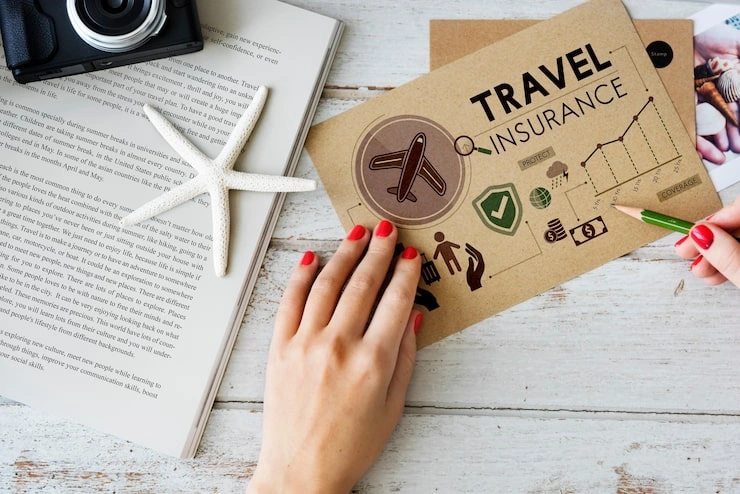
- Not an extra cost. A necessary cost. Covers medical treatment. Lost luggage. Cancellations.
- Read the policy. Know what is covered. Know what is not. Know the emergency number.
- Keep policy number in your phone. Keep a copy in your bag.
Go Slow
- People try to see too much. One day per city. Take a picture and leave. Spend more time in transit than exploring.
- Trip feels rushed. You remember stress. You do not connect with any place.
- Choose fewer places. Spend more time in each. Get to know one neighborhood. Learn the local coffee shop name. Recognize faces on your street.
- Slow travel gives deeper memories. Better stories. Real understanding.
Get Lost on Purpose
- Put your map away. Take random turns. Find a street you have never seen.
- This is how you discover hidden gems. A tiny bakery. A quiet park. A beautiful view not in any guidebook.
- Be safe when you do this. Stay in areas that feel okay. Pay attention to where you are. Remember the streets you pass.
- Getting lost on purpose is not really lost. You can always find your way back. You are just exploring without a plan.
Talk to Locals
- Locals know the best places. Best time for the museum. Restaurant that does not overcharge tourists.
- Talk to shopkeepers. Hostel staff. Person next to you on the bus.
- Ask what they love about their city. Where they go on weekends. What food you must try.
- These conversations give insider knowledge. Also human connection. You remember the person more than the place.
Photos That Tell Stories
- Landmark photos are nice. But everyone has the same Eiffel Tower shot.
- Take different photos. Old man feeding pigeons. Street cat sleeping in sun. Market vendor arranging fruit. View from your hostel window.
- These tell the story of your experience. When you look back, you remember moments. Remember feelings.
Goodbyes
- You have made connections. Do not disappear without a word.
- Say goodbye to hostel staff. They helped you. Thank them.
- Exchange contact info with new friends. You might visit them. They might visit you.
- These relationships are treasures. Last longer than the trip.
Look Back
- Think about what you learned. Not just about the place. About yourself.
- You made decisions alone. Solved problems alone. Faced fears alone.
- This is growth. Be proud of it.
- Write your lessons. What worked. What you would do different. Helps plan next trip.
Next Time
You did it. You traveled alone. You proved you can. Start thinking about next destination. Now you know what you like. Your travel style. You have more confidence. World is big. Always another place. Always another version of yourself.
One Last Thing
Traveling alone is brave. It rewards you. You learn you are capable. Strangers become friends. World is full of good people. Prepare. Be safe. Do not let fear stop you. Pack your bag. Book your ticket. Step out the door.