
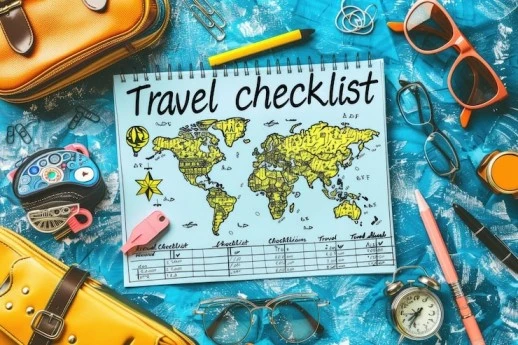
I still remember my first trip. I was so nervous. I packed too many clothes. I forgot my charger. I reached the airport and realised I did not have my passport copy. It was a mess. But I learned a lot from that experience. And now I want to share what I learned with you.
You are probably feeling the same way right now. Excited but scared. Happy but worried. That is completely normal. Every person who travels today went through this. Even the people who look like they know everything. They also started somewhere.
So let me walk you through this. Step by step. Like we are sitting together and planning your trip. No fancy words. No complicated rules. Just simple things that work.
First Thing - Where Are You Going
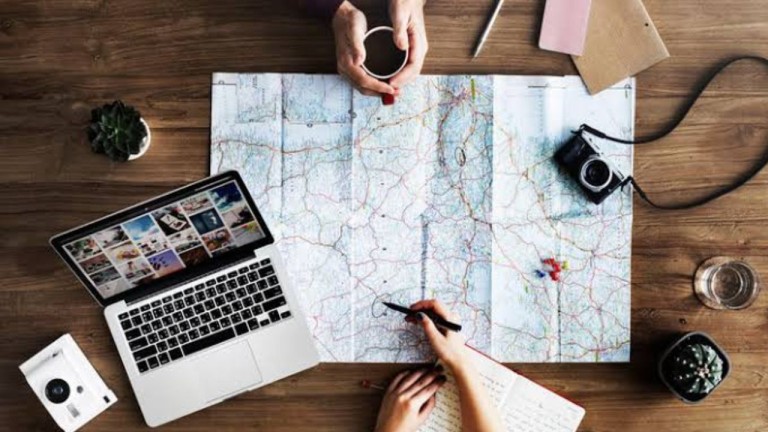
This is the most exciting part. But also the most confusing. There are so many places. How do you pick one.
Think about what makes you happy. Do you like watching sunsets on the beach. Do you enjoy walking through old streets. Do you want to see mountains and waterfalls. Write these things down.
Now look at your list. See which places match your likes. Check the weather there. You do not want to go when it rains all day. That will make you sad. Check if there are any big events happening. Festivals are fun but they make everything expensive. Hotels charge more. Flights cost more. So plan accordingly.
For your first trip choose something simple. A place that is not too far. A place where people speak your language or at least understand English. This makes things easier. You can always go to far away places later when you have more experience.
Also decide how many days you want to travel. For beginners I suggest four or five days. This is perfect. You get to see things. You get to relax. You do not get too tired. And your budget stays under control.
Read Also: How To Save Money On Food While Traveling
Now Let Us Talk About Money
Money matters. A lot. You cannot just go without planning your expenses.
Sit down with a notebook. Write down everything you will spend on. Flight ticket. Hotel room. Food every day. Local travel like buses or autos. Entry fees for sightseeing. Shopping if you like to buy things.
Now here is something most people forget. Keep some extra money aside. For emergencies. What if your flight gets cancelled. What if you lose your wallet. What if you get sick. These things happen. Having extra money saves you from panic.
Research how much things cost at your destination. Some places are very expensive. Others are cheap. Travel forums and social media groups give you a good idea. Once you know the daily cost multiply it by your number of days. Add flight and hotel. This is your total budget.
If this number seems high do not worry. There are ways to reduce it. Stay in a budget hotel. Eat at local joints instead of fancy restaurants. Travel during off season. Walk instead of taking taxis. Every rupee you save can be used for something fun later.
Booking Your Flight and Hotel
Once your budget is ready start booking. First the flight. Try to book at least two months ahead. This gives you the best rates. Last minute bookings are very expensive.
Use websites that compare different airlines. Check what each airline offers. Some airlines have cheap tickets but they charge extra for luggage. So when you compare include the luggage cost. Otherwise you might end up paying more than you thought.
For your first trip choose a direct flight. I know connecting flights are cheaper. But they are confusing. You have to change planes. You have to wait for hours. You might miss your connection. For a beginner this is stressful. Direct flights cost more but they save you so much trouble.
Now for the hotel. Choose something simple and safe. Read reviews from other travelers. Look for comments about cleanliness and location. A hotel in the city center is better even if it costs a bit more. You save money on travel and you can walk to many places.
Book for the first two nights only. Once you reach there you can decide if you want to stay longer. Maybe you like the place and want to extend. Maybe you want to move somewhere else. Keeping it open gives you flexibility.
Always take a printout of your booking. Your phone might die. You might not have internet. Having a paper copy solves all these problems.
Your Papers Are Very Important
This is the most important part. Without these papers you cannot go anywhere. So pay attention.
First check your passport. Look at the expiry date. Many countries want your passport to be valid for six months from your travel date. If yours is close to expiry go and renew it now. This process takes time so do not wait.
Next check if you need a visa. Some countries let you enter without a visa. Others require you to apply before you go. Go to the official government website of that country. Do not trust other websites. They might give wrong information. Apply early because visas take time to process.
Make copies of all your papers. Keep one set with you. Give one set to your parents or a friend at home. This includes passport visa flight tickets and hotel bookings. Also carry some passport size photos. You might need them.
Save digital copies in your email. If you lose your papers you can still access them from anywhere. Double check everything one week before you leave. This gives you time to fix anything that is missing.
Do Not Skip Travel Insurance
I know many people skip this. They think it is a waste of money. Let me tell you why they are wrong.
Imagine this. You are in a new country and you suddenly get sick. You go to the hospital. They give you treatment. Then they give you a bill. That bill could be huge. Travel insurance pays that bill for you. Without insurance you have to pay from your own pocket.
Insurance also covers other things. If your flight gets cancelled they refund your money. If your luggage gets lost they give you money to buy new things. If you have an accident they cover your treatment.
When you buy insurance read the document carefully. Some policies do not cover certain activities. If you plan to do adventure things like paragliding or rafting you need extra coverage. Also tell the company about any health issues you have. If you hide this they might not pay your claim.
Buy your insurance the day you book your trip. This covers you from that day. Keep a copy of your policy with you. Save the emergency number in your phone. You might need to call them.
Packing - Do Not Overdo It
Packing is fun but many people get it wrong. They pack their entire wardrobe. Then they struggle with heavy bags. Let me tell you a better way.
First check the weather at your destination. Pack clothes that suit that weather. For hot places pack cotton clothes. For cold places pack warm layers. Choose clothes that you can mix and match. This gives you many outfits from few items.
Do not forget good shoes. You will walk a lot. Bad shoes will make your feet hurt and ruin your day. Pack one pair of walking shoes and one pair of sandals or slippers.
Here is what you must carry -
Your passport and visa
Your flight tickets and hotel papers
Your insurance documents
Your credit card and some cash
Your phone and charger
A power bank
A plug adapter
A small first aid kit
Sunscreen
Mosquito repellent
Small bottles of soap shampoo and toothpaste
A light towel
Some snacks
Keep all important things in your handbag. This means your passport money and phone. Checked luggage can get lost. So always keep essentials with you. Also keep one extra set of clothes in your handbag. If your main bag reaches late you still have something to wear.
Roll your clothes instead of folding. This saves space and stops wrinkles. Use small pouches to organize things. Put all electronics in one pouch. Put all toiletries in another. This makes it easy to find things.
Tell Your Bank and Phone Company
When you go to another country your bank might block your card. They do this to protect you. But it causes problems for you. So call your bank before you leave. Tell them the dates and places you are visiting. This way they know your transactions are real.
Ask about foreign transaction fees. Some cards charge extra when you use them abroad. If your card has high fees get a travel card. These cards have lower fees.
Do the same with your phone company. Ask about international plans. These plans let you use data and make calls. Compare different plans and pick the best. Or you can buy a local SIM card when you reach. This is often cheaper.
Download offline maps on your phone. This helps you find your way without using data. Save important numbers like your hotel and local emergency services.
You May Also Like: Travel Tips For Students Traveling In India
Apps That Help You Travel
Technology makes travel so much easier. There are many apps designed for travelers. Download these before you leave.
Get a translation app. This helps you talk to people who speak different languages. Google Translate is very good. It works even without internet.
Get a map app like Google Maps. You can find directions and explore new places easily.
Get a currency converter app. This helps you understand prices in your own currency. You will know if you are paying too much.
Download the apps of your airline and hotel. These give you real time updates. You will know if your flight is delayed or if your room is ready.
Keep all travel apps in one folder on your phone. This saves time when you need them.
Getting From Airport to Hotel
When you land you need to reach your hotel. Plan this before you go. Research transport options at the airport. Some airports have trains or buses. These are cheaper than taxis.
But if you are arriving late at night choose a safer option. Book a taxi in advance or use the hotel shuttle. Many hotels offer pickup service. This costs more but gives you peace of mind.
If you take a taxi make sure it is an official one. Unofficial taxis might charge you too much. Agree on the price before you get in. Or ask the driver to use the meter.
Keep the address of your hotel written in the local language. Show this to the driver. This avoids confusion. Also keep some local money with you. You need it to pay for your ride and other small things.
You can exchange money at the airport. But the rates there are often bad. So exchange only a small amount for immediate needs. Do the rest at a local bank or exchange shop in the city.
Respect Local Culture
Every place has its own way of doing things. As a beginner you might not know these rules. But it is good to respect them.
Learn a few basic words in the local language. Words like hello thank you and please are very helpful. Locals appreciate when you try to speak their language.
Dress properly for the place. Some religious places have strict dress codes. Carry a scarf to cover your shoulders if needed. Watch how locals behave and follow their example.
Research local customs before you go. In some places it is rude to point with your finger. In others you must remove your shoes before entering a home. Knowing these small things helps you avoid embarrassment.
Be open minded and patient. Things might not work like they do at home. That is okay. Enjoy the difference and learn from it.
Stay Safe
Your safety comes first. Always remember this. Research your destination before you leave. Avoid areas that are known for crime. Stay in busy well-lit places especially at night.
Keep your valuables secure. Use a money belt or hidden pouch for your passport and extra cash. Do not show expensive things like jewelry or cameras. This attracts thieves.
Be careful with food and water. In some countries tap water is not safe. Drink bottled water only. Avoid street food if you have a sensitive stomach. Eat at clean restaurants.
Save emergency numbers in your phone. Know the local police and ambulance numbers. Also save the contact of your country's embassy. They can help you in serious situations.
Trust your gut feeling. If something feels wrong leave immediately. Your safety is more important than any plan.
Managing Money While Traveling
Do not carry all your money in one place. Divide it into different spots. Keep some in your wallet some in your bag and some in your hotel safe. This way if you lose one you still have backup.
Use credit cards for big purchases. But keep cash for small shops and markets. Many places do not accept cards.
Track what you spend each day. Write it down in a notebook or use an app. This helps you stay within your budget. If you spend too much one day spend less the next day.
Keep some emergency cash hidden in your luggage. This is for situations when ATMs do not work or your card gets blocked.
Stay in Touch With Family
Your family wants to know you are safe. So stay in touch with them. Share your full plan with them before you leave. This includes flight details hotel addresses and contact numbers.
Send them a message every day. Even a simple text is enough. Use messaging apps that work on Wi-Fi. This saves you money.
Share your live location with someone you trust. Many apps allow this. This helps them find you in an emergency.
Staying connected also helps you feel less lonely. You can share your experiences with loved ones. Their encouragement makes your trip better.
What to Do When Flight Gets Delayed?
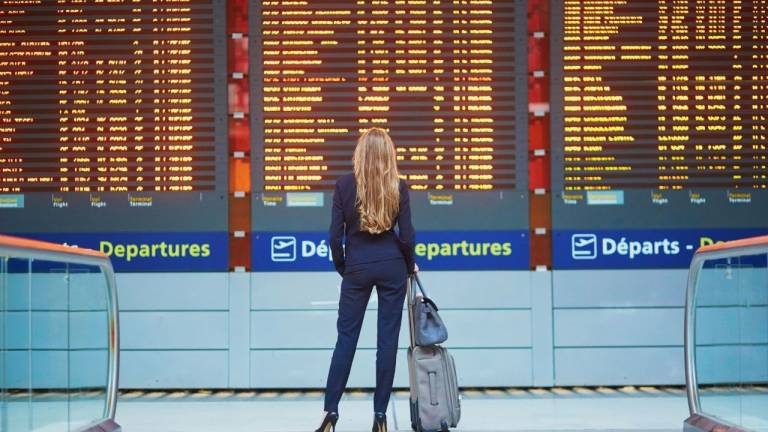
Flight delays happen often. Do not panic when this happens. Stay calm and handle the situation.
Check the airport screens for updates. Listen to announcements carefully. If your flight is delayed for a long time go to the airline counter. Ask for meal vouchers or a hotel room. Many airlines give these for long delays.
If your flight is cancelled do not worry. The airline will book you on another flight. Ask for the earliest option. You can also ask for a refund if you prefer.
Keep all your papers ready during this process. Also check if your travel insurance covers delays. Many policies pay you for long delays.
Remember delays are part of travel. Do not let them spoil your mood. Use the extra time to relax or explore the airport.
Take Care of Your Health
- Travel makes you tired. So take care of your body. Drink plenty of water. Dehydration makes you feel weak and dizzy.
- Eat proper meals. Do not skip food even if you are busy. Avoid too much junk food. Get enough sleep every night.
- Jet lag can disturb your sleep. Try to adjust to local time as soon as you arrive. Spend time outside in natural light. This helps your body clock adjust.
- Carry a small first aid kit. Include medicines for headaches stomach problems and allergies. Also carry motion sickness tablets if you need them.
- If you have any health condition carry enough medicine for the whole trip. Keep a copy of your prescription. This helps if you need to buy more medicine.
Know where the nearest hospital or clinic is. Save the address on your phone.
Enjoy Your Sightseeing
- Sightseeing is the fun part. But do not try to see everything in one day. This makes you tired and stressed.
- Make a list of places you want to see. Put the most important ones on top. Plan your days around these.
- Visit popular places early in the morning. This helps you avoid long queues. Book tickets online before you go. This saves time and sometimes money.
- Use public transport to move around. It is cheaper than taxis and gives you a local experience. Walk whenever you can. Walking helps you discover hidden spots.
- Take breaks between sightseeing. Sit at a local café and watch people. This gives you time to absorb the atmosphere.
- Talk to locals. They often give the best advice for food and activities. Do not rush through your trip. Enjoy each moment and take photos.
Shopping and Buying Souvenirs
Shopping is fun but you need to be smart. Visit local markets for authentic products. Avoid tourist shops near big attractions. They charge more.
Compare prices at different stalls before you buy. Do not be afraid to bargain. It is normal in many places. Start by offering half the price and negotiate from there.
Buy things that are special to that place. Local handicrafts spices or clothes make good souvenirs. Avoid heavy or fragile items unless you are sure you can carry them.
Keep some space in your luggage for shopping. If you buy too much you might have to pay extra baggage fees.
Coming Back Home
Your trip does not end when you board the return flight. Pack your luggage the night before. This avoids last minute panic.
Check your flight timings again. Plan your transport to the airport. Give yourself plenty of time. Airport security can be slow.
Arrive at least three hours before an international flight. This gives you time for check in security and any unexpected delays.
During the return flight rest as much as you can. Drink water and move around sometimes. This prevents stiffness.
When you land go through customs smoothly. Keep your papers ready. After you reach home unpack your things immediately. Check if everything is there. Wash your clothes and put them away. Take a good rest to recover. Then start thinking about your next trip.
Mistakes Beginners Often Make
Here are some common mistakes and how to avoid them.
- Packing too much - Many people carry too many clothes. This makes luggage heavy. Pack only what you need. Choose clothes that you can wear more than once.
- No backup plan - Things go wrong sometimes. Always have a backup. Keep extra money. Know other places to stay if your hotel is full.
- Forgetting plug adapters - Different countries have different plugs. Carry a universal adapter. This lets you charge your devices anywhere.
- Not drinking enough water - Travel makes you dehydrated. Carry a water bottle. Fill it whenever you can. Drink regularly.
- Skipping travel insurance - This is a huge mistake. Medical emergencies can cost a lot. Insurance covers these costs.
- Trying to do too much - Rushing makes you tired. Take it slow. Enjoy each experience.
Final Words for New Travelers
Now you have everything you need. This guide covers all the steps. From planning to packing to coming back home. You know what to do at each stage. Keep this guide with you. Read it again before your trip. Mark the points that are most important for you.
Remember that every traveler was once a beginner. They also made mistakes. They also felt nervous. But they went anyway. And that made all the difference. The world is full of beautiful places and kind people. Your first trip is just the beginning. Once you travel once you will want to travel again and again.