
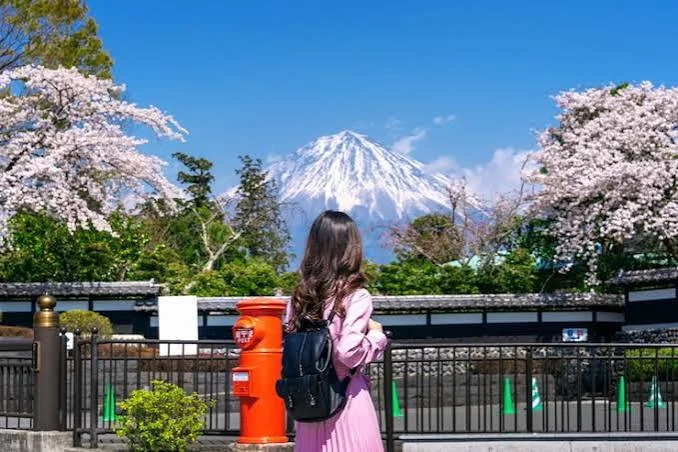
Japan does not shout its luxury. You will not find gold-plated lobbies or staff bowing in exaggerated ways. Instead, luxury here is quiet. It is a wooden bath filled with hot spring water, a dinner of twenty small courses served in your room, and a garden view that has not changed in a hundred years. This guide shows you where to find that kind of travel across Japan.
Tokyo: Luxury Above the City
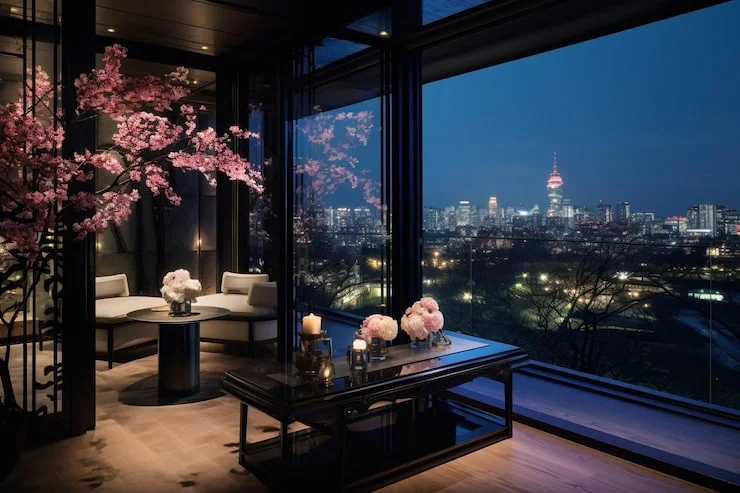
Tokyo is where modern Japan meets old manners. The best luxury hotels here do not try to escape the city. They rise above it.
Aman Tokyo sits in the top floors of the Otemachi Tower. The lobby is huge and calm, shaped like a traditional paper lantern. Windows look down on the Imperial Palace gardens. On clear days, you can see Mount Fuji in the distance . The spa has deep stone baths where you can soak while looking out at the city lights .
If you want a traditional inn without leaving the city, Hoshinoya Tokyo is a rare thing. It is a ryokan in the middle of the financial district. You take off your shoes at the entrance. You sleep on tatami floors. And on the roof, there is a hot spring bath filled with natural mineral water . It feels like a secret.
The Peninsula Tokyo faces the Imperial Palace gardens and sits close to Ginza, where the luxury shops are. The hotel keeps a fleet of signature cars to take you around the city in comfort .
For dinner, book an omakase counter. The chef decides what you eat, piece by piece, and hands each one to you directly. This is not just food. It is a performance of luxury vacation spots in japan.
Read Also: Luxury Beach Resorts In Goa For Families
Hakone: Hot Springs and Mountain Air
Hakone is a short train ride from Tokyo, but it feels like another world. The air is cooler. The mountains rise around you. And the hot springs are everywhere.
Gora Kadan was once a summer home of the Japanese imperial family. Now it is one of the most celebrated ryokans in Japan . Rooms come with private outdoor hot spring baths. Dinner is a multi-course kaiseki meal, which means small dishes made from seasonal ingredients, each one arranged with care. The bath in your room looks out at the mountains. In the morning, mist rolls over the trees while you soak .
For something even more private, consider ESPACIO The Hakone Geihinkan Rin-Poh-Ki-Ryu. It is one of the most expensive stays in Japan, at around 948 US dollars per person per night with two meals included . What you pay for is space and silence. The property has very few rooms. Dinner is cooked for just the guests staying that night.
On a clear day, take a boat out on Lake Ashi. Mount Fuji rises behind the water. It is one of the classic views of Japan, and it never gets old .
Kyoto: The Heart of Old Japan
Kyoto was the capital for over a thousand years. The old manners, the old crafts, and the old buildings are still here. Luxury in Kyoto means stepping into that history.
Hoshinoya Kyoto is reached by a private boat along the Oi River. The boat ride alone is worth it. The inn sits in the hills of Arashiyama, away from the crowds. Rooms open onto the river and the forested mountains . In the evening, you can take a boat ride at sunset and then return for a seasonal kaiseki dinner .
Hiiragiya is a ryokan founded in 1818. The same family has run it for six generations . Writers have stayed here and kept rooms. The main building is the old one. The new wing, added in 2006, has cypress bathtubs . Dinner is kaiseki, served in your room. There is no shared bath, but you can book one of two private baths. One has stained glass and tiles made by famous craftsmen. The other has walls and a ceiling covered in lacquer . Children aged twelve and under are not allowed, so the quiet is protected.
The Ritz-Carlton Kyoto sits on the banks of the Kamo River. The design blends traditional Kyoto style with modern comfort. Rooms look out at the Higashiyama mountains . The Japanese breakfast here is famous, and you must reserve it a day in advance or you will miss it . From the hotel, it is a ten-minute walk to Gion, the historic geisha district .
For a private cultural experience, arrange a tea ceremony. Or have dinner with a geiko or maiko, the women who carry on the old traditions of music and hospitality in Gion . These are not things you can book on a whim. They require planning and introductions.
Naoshima: Art on an Island
Naoshima is a small island in the Seto Inland Sea. It is known around the world for its contemporary art museums. And at the heart of it is Benesse House.
Benesse House is a hotel and a museum in one building. The architect Tadao Ando designed it. Guests sleep surrounded by art, with views of the sea . The Chichu Art Museum is nearby, built mostly underground. Works by Claude Monet are shown in rooms lit only by natural light . Staying here is not just a hotel stay. It is a way to live inside art for a few days.
Kinosaki Onsen: A Traditional Hot Spring Town
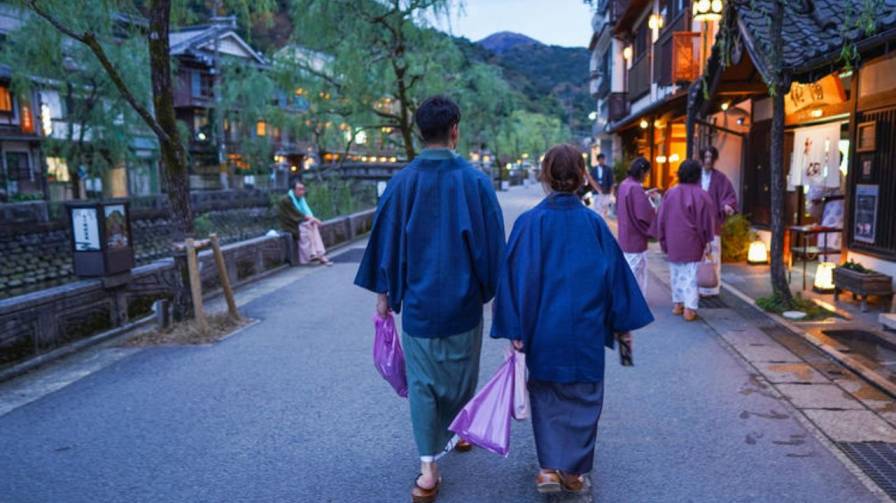
Kinosaki Onsen is a hot spring town that has been welcoming travelers for over a thousand years. There are seven public baths along a willow-lined canal. You walk between them in a yukata robe and wooden sandals. It is a simple pleasure, but a deep one.
Nishimuraya Honkan is the town's most famous ryokan. It is consistently rated as one of the top traditional inns in Japan . Rooms have futon beds and views of a Japanese garden. For an extra splurge, book a room with its own open-air hot spring bath . In winter, the Sea of Japan provides Matsuba snow crab, a seasonal delicacy. The staff are used to guests from other countries and offer service in English .
The ryokan is about a twelve-minute walk from Kinosaki Onsen Station. From Shin-Osaka Station, the limited express train takes about two hours and forty minutes.
You May Also Like: Luxury Travel Budget Planning Tips
Okinawa: A Different Side of Japan
Okinawa is far from the main islands. The culture is different. The food is different. And the water is clear and warm.
Rosewood Miyakojima sits on Miyako Island, along reef-lined shores. Villas open to private pools and floor-to-ceiling windows with ocean views . You can snorkel over coral reefs, kayak along the shore, or join a pottery session inspired by local craft traditions . The dining ranges from fresh seafood to poolside drinks. The spa uses local ingredients and island rituals .
This is the Japan of beaches and slow days. After the temples and the cities, it is a good place to end a trip.
How to Plan a Luxury Trip to Japan?
Luxury travel in Japan takes planning. The best places are small. A top ryokan might have only eight or ten rooms. One group booking can fill it for a week . The most experienced private guides in Kyoto and Tokyo have calendars that fill months in advance. Many of the best restaurants do not take online bookings easily. They require a Japanese-speaking intermediary and luxury vacation spots in japan.
If you want to see cherry blossoms, book nine to twelve months ahead. The top ryokans in Hakone and Kyoto fill first, along with private guides and kaiseki restaurants. For autumn foliage, book six to nine months ahead. Peak color in Kyoto usually falls between November 10 and 25, and competition for that window is fierce .
When you stay at a ryokan, there are a few manners to know. Take off your shoes at the entrance. Wash your body before you enter the hot spring bath. Wear the yukata robe they provide. Do not tip. Tipping is not part of Japanese culture. Good service is simply expected .
Luxury in Japan is not about what you buy. It is about what you are allowed to feel: calm, care, and a sense of being somewhere that has been done the same way for a very long time. The best trips here leave you rested, not impressed. That is the point.