
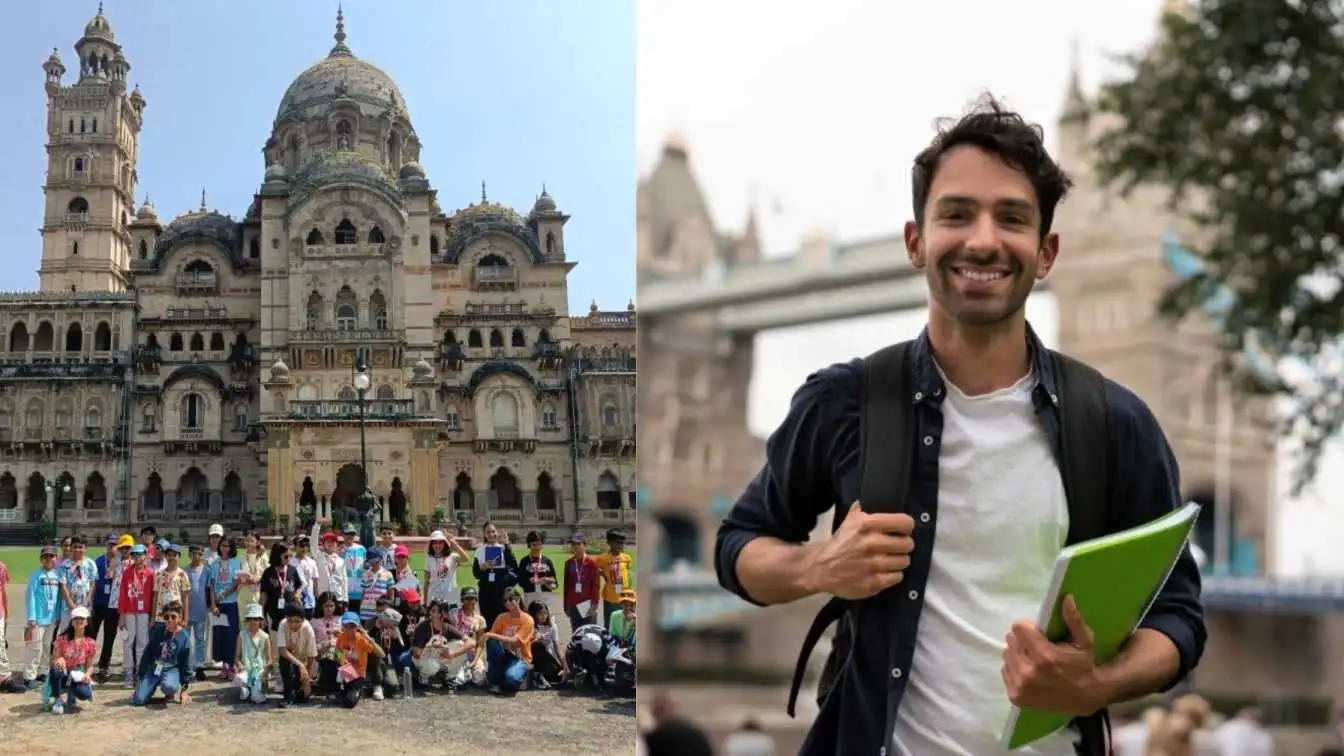
Picture this: a bunch of wide-eyed kids piling into a bus, heading off to touch real history instead of just reading about it. That's the heart of the Gujarat Educational Travel Scheme for Students. It's a state program that funds school trips to make learning stick through real-world fun. From forts to forests, these outings help kids connect classroom lessons to life. Affordable thanks to subsidies, it's open to most schools. As a former teacher who's seen the spark in students' eyes after such trips, I can tell you—it's game-changing. Let's break it down simply.
How Students Can Benefit from the Gujarat Educational Travel Scheme?
Origins of the Scheme
The idea behind the Gujarat Educational Travel Scheme took root years back when folks realized kids needed more than desks and books. Around the early 2000s, education leaders pushed for excursions to build curiosity and skills. It started modest, funding basic visits to local sites for secondary schools.
Things picked up as feedback poured in. By 2010s, it expanded under national education policies, tying trips to the syllabus. Now, it's formal with guidelines from the education department, stressing safety after incidents like boat tragedies. Funding comes via schemes like Educational Travel Promotion Scheme, giving ₹500 per student yearly to government and aided schools.
I've chatted with principals who remember the shift—kids returned buzzing, asking deeper questions. Today, it's evolved into a tool for personality growth, observation, and even eco-awareness. No wonder thousands join annually.
Who Qualifies and Joins In
Pretty much any student in Gujarat's government, grant-in-aid, or recognized secondary/higher secondary schools can hop on. That's classes 6 through 12, including RMSA and model schools. Private ones join too, but with less subsidy.
Groups form by school—30 to 50 kids, mandatory 1 teacher per 15 students, plus a female staff for girls' trips. Parental nod is must, no forcing anyone. Skip if medically unfit, allergic to travel, or too frail—no judgments.
Rural and urban kids mix, with pushes for girls. My friend's school took class 7 boys to a dam; half had never left their village. Consent forms cover health bits like allergies. Easy eligibility keeps it inclusive for student educational tours.
Top Spots Kids Love Visiting
Choices abound, all within Gujarat for easy access. Stepwells like Rani ki Vav wow with their deep carvings—kids learn ancient engineering while peering down. Sun temples in Modhera show off kunds and deities, perfect for history buffs.
Wildlife spots like Gir or marine parks let them spot lions or sea life, tying into environment studies. Statue of Unity stuns with its scale, sparking chats on leaders. Ashrams along Sabarmati teach freedom struggles firsthand.
Industrial peeks at places like Amul plants reveal jobs and processes. Eco-villages? Hands in soil for farming lessons. Schools match spots to topics—geography class to sanctuaries. Each has guides, activities. Kids rave about these; one girl said the stepwell felt like a fairy tale maze.
Application Steps Made Simple
Don't sweat it—applying is like planning a family picnic, just official. Schools kick off post-April holidays via department circulars or portals.
Key Steps to Get Started:
-
Pick dates, spots, group size; draft itinerary with safety plan.
-
Principal signs form, collects parent consents and health declarations.
-
Submit to district officer 2 months ahead—no optional trips without approval.
-
Await nod (usually 3-4 weeks), get subsidy release like ₹500/student.
-
Book approved buses, prep kits (first aid, GPS-must).
Hold pre-trip meets for dos/don'ts. Track via receipts for claims. A school I know nailed it by starting early—smooth sailing.
Real Perks for Kids and Teachers
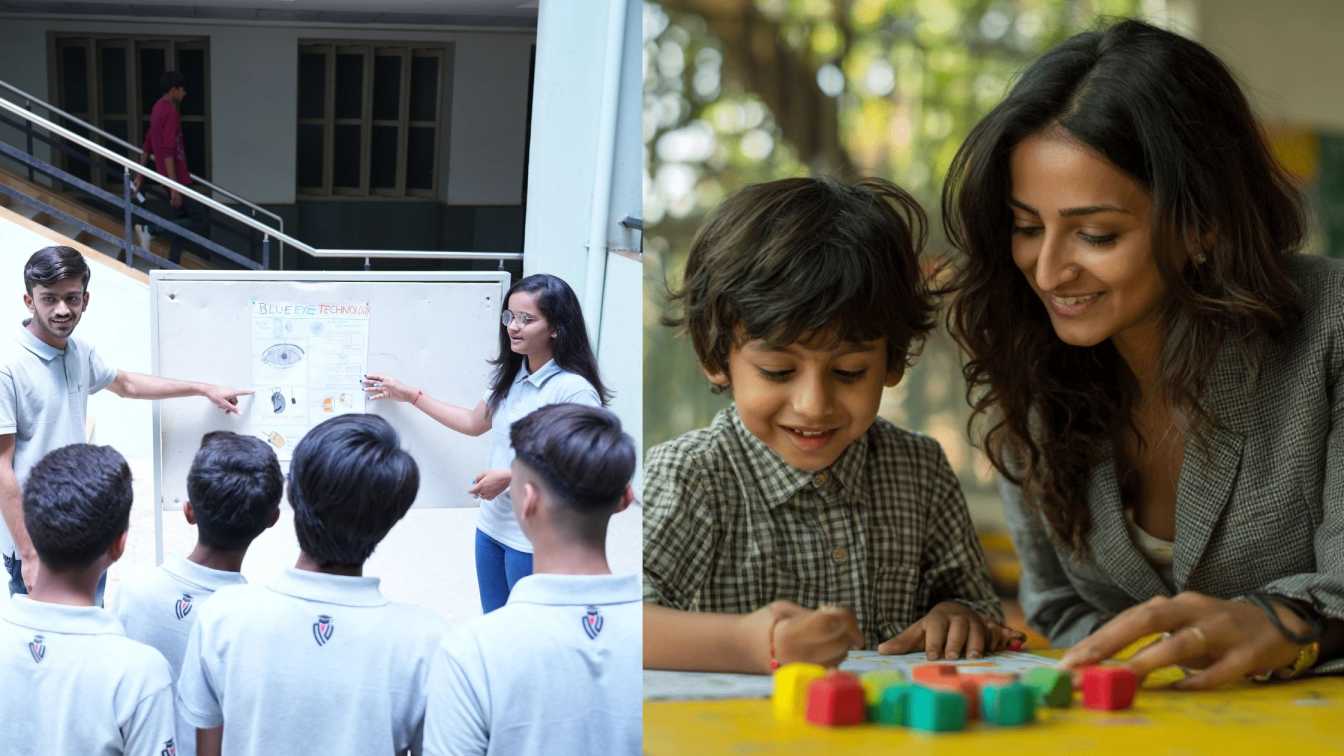
These trips do wonders. Kids grasp concepts better—seeing water flow at a dam beats diagrams. Observation skills sharpen; one boy spotted bird species his teacher missed.
Teamwork blooms amid hikes or quizzes. Shy ones chat freely. Studies link it to better retention and grades. Schools save big—subsidies cover most, freeing cash.
Teachers recharge, weaving stories from trips into classes. Health boost from outdoors too. Long haul, it inspires paths like conservation. A student from my circle chose wildlife after a sanctuary visit. Pure gold for holistic growth in Gujarat Educational Travel Scheme for Students.
Handling Costs Smartly
Worried about the bill? Subsidies make it doable—₹500 per kid yearly for tours. Full cost for a day trip: 300-500 rupees post-aid; overnights up to 900.
Schools front it, reimburse quick with bills. Private pays more but structures help.
Budget Hacks That Work:
-
Group buses from lists—cheaper, safer.
-
Self-packed snacks cut food costs.
-
Off-season for deals; waivers for low-income.
-
Log everything for audits.
One rural school budgeted a 5-day tour under 800/head. Teaches fiscal smarts too. Keeps doors open wide.
Keeping Everyone Safe on the Road
Safety's non-negotiable post-guidelines. Buses? RTO-fit, GPS-tracked, no drunk drivers. First aid mandatory, emergency halts if needed.
Buddy pairs, hourly roll calls. Female supervisor for girls. No sick kids—health forms rule it out. Weather watch, hygienic meals.
Parents get updates; insurance covers mishaps. Pre-drills build habits. After Harni, rules tightened—no risks. Schools I know swear by them—peace of mind lets fun flow.
Stories That Inspire
Riya, class 9, hit a temple tour. "Touching those carvings made gods real," she grinned. Grades soared. A boys' group at a factory learned jobs—two eyed engineering.
Teacher Anil: "Post-dam trip, math clicked via measurements." Even virtual phases kept momentum. These tales prove the scheme's magic—curious, confident kids emerge.
(98 words)
What's Next for the Program
- Updates roll in—more eco-focus, digital tracking. Budget 2026 eyes expansions. Sustainability like no-plastics. VR add-ons for prep.
- More sites, science tie-ins. Feedback drives it. Bright future for hands-on learning.
FAQs
How do schools apply for the scheme?
Schools submit a simple form to the district education officer with trip plans and parent consents, usually 2 months ahead. Approval comes quick with subsidy details.
Who pays for the trips?
Government covers most costs via subsidies like ₹500 per student. Families chip in a small share, waived for low-income ones.
What safety rules are there?
Buses must have GPS and first aid. Teachers use buddy systems, roll calls, and health checks—no sick kids allowed.
Can all students join?
Yes, classes 6-12 from government or aided schools qualify. Private schools get partial help; everyone needs parent okay.
How often do trips happen?
1-2 per term, up to 6 a year. Short day trips for juniors, longer ones for seniors.