

Your first road trip is exciting. It is also a little scary. You have the open road ahead of you, but you also have questions. How far should you drive each day? What if something goes wrong? How much money do you really road trip planning tips for beginners?
This guide answers those questions. It walks you through every step of planning a road trip, from the moment you pick your dates to the moment you pull back into your driveway. There are no shortcuts here. Just clear, practical advice you can use right now.
Start With Your Dates, Not Your Destination
Most people plan a road trip backwards. They pick a place they want to see, then figure out how much time they have. That approach often leads to trouble.
Your dates come first. A long weekend gives you a very different trip than a full week. Two weeks opens up possibilities that five days cannot touch. When you lock in your dates, you narrow everything else down without even trying.
Once you know how much time you have, you can start thinking about where to go. The worst mistake at this stage is being too ambitious. It is easy to look at a map and think you can cover huge distances. But driving takes time. It takes energy. And it takes a toll on your body in ways you might not expect.
A beginner who plans to drive eight hours a day will arrive exhausted. They will not enjoy the places they came to see. A better approach is to pick a smaller area and explore it well. You will come home with better memories than someone who tried to do too much.
Read Also: How To Save Money While Traveling In India 2026
Pick Your Route With Care
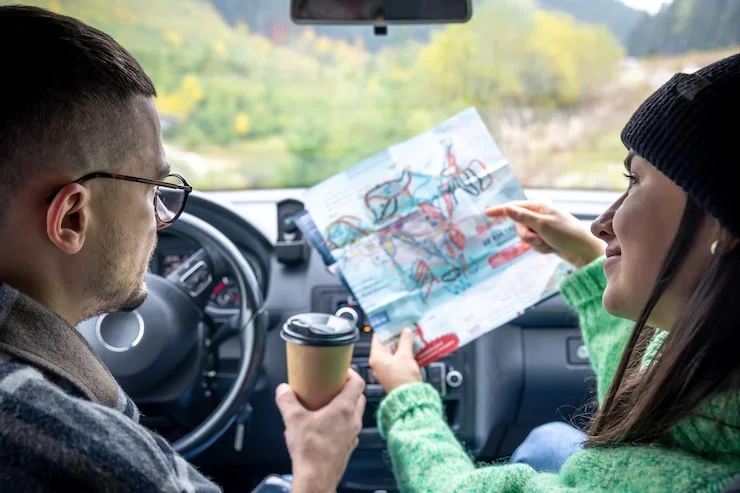
Your route is not just a line between two points. It is the whole experience.
Open a map and look at what is between your start and your finish. Are there national parks along the way? Coastal roads? Mountain passes? These are the places that make a road trip memorable. They are worth going out of your way for.
Many countries mark official scenic routes. In the United States, they are called National Scenic Byways. These roads were chosen for their views, not for how fast you can drive them. Searching for these routes gives you a ready-made list of beautiful drives.
When you use a GPS app, there is one setting you should change. Turn on “avoid highways” and “avoid tolls.” This will slow you down, but it will also take you through small towns, past farmland, and along roads that feel like a road trip should feel. The fastest route is rarely the most interesting one.
Decide How Much Driving You Can Handle
This is the question that ruins more first road trips than anything else. People think they can drive longer than they actually can.
A good rule for beginners is to limit yourself to four to six hours of driving per day. That might not sound like much. But those hours add up. You need breaks. You need to eat. You need to stop when you see something interesting. And you need to arrive at your destination with enough energy to actually enjoy it.
If you are traveling with children, cut that number in half. Kids need more stops. They get restless. A drive that takes four hours alone might take six with a family.
It also helps to build in a slower day every few days. If you are on a long trip, plan a day where you barely drive at all. Stay somewhere for two nights. Explore on foot. Let your body recover. This keeps the trip enjoyable for the long haul.
Set a Realistic Budget
Road trips have a reputation for being cheap. That reputation is only half true.
Fuel is usually the biggest cost, and it is the one people get wrong most often. The distance your map app shows is not the distance you will actually drive. You will take detours. You will drive to dinner after checking in. You will backtrack when you miss an exit. A 1,000-mile trip on paper can easily become 1,200 or 1,300 miles in reality.
Your car will also use more fuel than usual. A loaded vehicle with luggage and passengers burns more gas. Air conditioning uses more. Mountain roads use more. The number on your car’s spec sheet is not the number you will see on this trip.
Accommodation is the second big cost. Prices change a lot depending on where you stay and when. A room near a popular park in summer can cost several times what a similar room costs an hour away. Booking your first and last nights in advance is smart. Leave some flexibility for the nights in between.
Food adds up faster than you expect. At home, you know what you spend on meals. On a road trip, almost every meal is bought. Highway stops charge more. A cooler with drinks and breakfast supplies can cut this cost without making the trip less fun.
Tolls, parking, and entry fees are small individually but add up. Look up toll costs for your route before you leave. Check parking prices at your hotel. These little costs can throw off a budget if you forget them.
Get Your Car Ready
Your car needs attention before a long trip. This is not optional.
Check your tire pressure and tread. Under-inflated tires waste fuel and handle poorly. Worn tread is dangerous in rain. Confirm your spare tire is in good shape and that you have a working jack and lug wrench.
Top off your fluids. That means engine oil, coolant, brake fluid, and windshield washer fluid. Check your battery. If it is old or weak, replace it before you leave. A dead battery in a remote area is a bad way to start a vacation.
Look at your belts and hoses. Hot weather makes rubber crack and weaken. If you see signs of wear, get them replaced.
Pack an emergency kit. This should include jumper cables, a flashlight with spare batteries, a first aid kit, basic tools, and a reflective vest or triangles. You may never need these things. But if you do, you will be very glad they are there.
Pack Smart, Not Heavy
Packing for a road trip is different from packing for a flight. You have space, but you also have to live in that space for hours at a time.
Start with the things you need in the car itself. Keep your phone charger, a power bank, and a phone mount within reach. Download offline maps before you leave. Cell service disappears in exactly the places with the best views.
Bring layers. The temperature inside a car changes. The temperature outside changes more. A sweatshirt you can grab without digging through a suitcase makes a big difference.
Pack snacks and water. Do not rely on finding food when you are hungry. Hunger makes people cranky. A cooler with drinks and easy snacks saves money and prevents meltdowns.
Keep your documents together. License, registration, insurance, and any reservation confirmations should be in one place you can find without unpacking the whole car.
You May Also Like: Tips For Traveling Abroad First Time
Plan for Safety
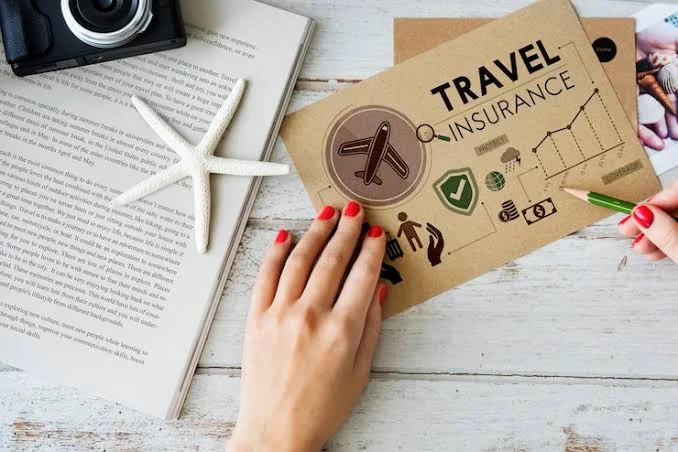
Safety on a road trip is mostly about road trip planning tips for beginners.
Take breaks every two hours or every hundred miles. Get out of the car. Walk around. Stretch. Fatigue builds quietly. You might not notice it until you are struggling to focus.
Do not drive when you are tired. Caffeine and loud music are short-term fixes. They do not solve the problem. If you feel sleepy, pull over. Trade drivers if you can. Take a nap if you cannot.
Keep your gas tank above a quarter tank. Gas stations can be far apart in rural areas. Running out of fuel is a preventable problem.
Avoid distractions. Put your phone away. Set your navigation before you start driving. If you need to make a call or send a message, pull over first.
Let someone know your route. Share your plan with a friend or family member. Check in when you stop for the night. If something goes wrong, someone will know where to start looking.
Frequently Asked Questions
How far should a beginner drive in one day?
Most beginners should aim for four to six hours of driving per day. This leaves time for stops, meals, and actually enjoying where you are. Families with young children should plan for even less.
How much money do I need for a road trip?
It depends on your route and style. Fuel, accommodation, and food are the three biggest costs. Build in a buffer for unexpected expenses. A trip that seems cheap on paper often costs more in practice.
What should I pack in my car emergency kit?
Jumper cables, a flashlight, a first aid kit, basic tools, a reflective vest or triangles, and extra water. Check your spare tire and jack before you leave.
What if I get lost or lose cell service?
Download offline maps before your trip. Keep a paper map as backup. Know the name of the next town on your route. If you get lost, stop somewhere safe and figure out where you are before continuing.
Can I plan a road trip on short notice?
Yes, but your options will be limited. Accommodation near popular places books up fast. You may pay more or have to stay farther away. Spontaneous trips can be fun, but they require flexibility.
Final Thoughts
A good road trip is not about covering the most ground. It is about creating a trip you will actually enjoy.
Start with your dates. Pick a route that interests you, not just one that gets you there fastest. Drive less than you think you can. Budget more than you think you need. Get your car checked. Pack the things that keep you comfortable and safe.