
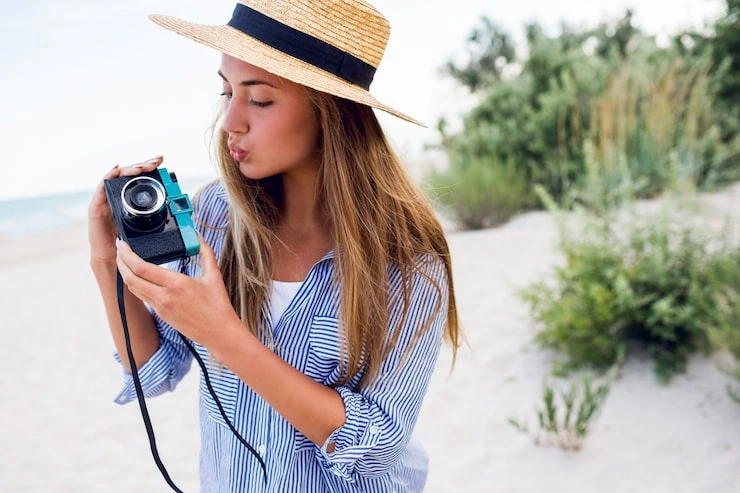
I've lost count of sun-soaked afternoons dialing in beach portraits. Salt air stings your eyes, waves roar, and that perfect light hits just once. Mess up your settings, though, and faces fade into bright mush. Drawing from years of trial and error—sand in my gear and all—here's how to nail the best camera settings for beach portraits. We'll cover everything from harsh glare to sunset glow, whether you're rocking a DSLR or mirrorless setup. These beach portrait photography settings saved my last session with a laughing couple knee-deep in surf. Grab your camera; let's make magic happen without the frustration.
Beach Photography Secrets: Optimize Your Camera Settings
Getting Exposure Right on Blinding Sands
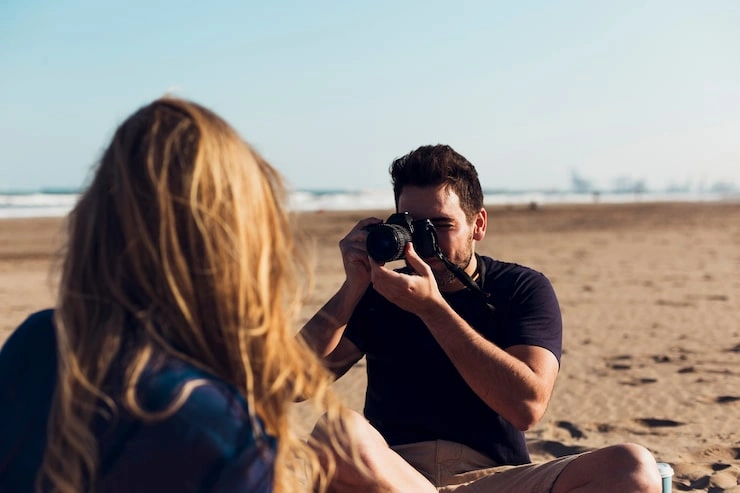
Exposure trips up most folks their first time out. Picture this: golden skin against white foam, but the histogram screams clipped highlights. For exposure settings for beach portraits, I always start in aperture priority. It hands you creative control while auto-adjusting the rest. Spot-meter straight off your subject's cheek—that's your anchor in chaos. Last week, midday sun turned the beach into a mirror. I dialed -0.5 compensation on my DSLR settings for beach portraits. Boom—details popped without mud. Mirrorless camera beach settings make this easier with real-time previews. Check the blinkies; if they flash on waves, pull back more. Shoot raw, always. It lets you rescue shadows later without heartbreak.
Underexpose by a hair in full blast. The sand reflects like crazy, fooling your meter. Practice this, and your beach shots breathe easy.
Key Takeaway: Meter faces, compensate down—exposure mastery tames beach brightness.
Read Also: Best DSLR and Mirrorless Cameras for Travel
Low ISO: Your Secret to Clean Beach Skin Tones
ISO is sneaky on beaches. Crank it high, and those freckles turn to digital grit. I learned hard after a windy shoot where ISO 800 ruined a bride's veil. Stick to ISO settings for beach photography at 100 in peak sun. It's crisp, noise-free gold. As light dips, nudge to 200 or 400. Never beyond for portraits—shadows get ugly fast. For beach couple photography, low ISO keeps embraces tack-sharp. I cap auto ISO at 400 on my mirrorless; it adapts without babysitting.
Test it solo: frame a friend against crashing surf, review at 100% zoom. Smooth? You're golden. Beginner camera settings for beach photography thrive here—simple rules yield pro looks. Raw files forgive slight underexposure too. Wind howls, but your images stay serene. Reality check: phones auto-boost ISO and wreck prints. Ditch 'em for real cameras.
Key Takeaway: ISO 100-400 locks in flawless tones; higher spells noise trouble.
Aperture: Crafting Dreamy Depth in Beach Scenes
Aperture paints the blur that makes beaches sing. Wide open at f/2.8, and distant waves melt into cream—pure portrait magic. But in glare, it gulps light like a sponge. Aperture for beach portraits? f/3.5-5.6 sweet spot for most. I once shot a family with kids splashing; f/4 kept toes to smiles sharp, background hushed. DSLR settings for beach portraits love this range. For tight headshots, dip to f/2.8—eyes laser-focused, sand a hazy dream.
Harsh light? Stop down to f/5.6, pair with fast shutter. Beach portrait photography settings demand eye focus—autofocus single-point it. Position sun behind for glow; aperture carves the silhouette. Groups pull f/8. Depth covers everyone giggling in surf. Experiment: one click changes the mood entirely.
Key Takeaway: f/2.8-5.6 blurs distractions; widen for intimacy, stop for groups.
Shutter Speed: Freezing Waves and Windy Hair
- Shutter speed battles beach chaos—gusts, splashes, dances. Too slow, and portraits blur into motion mush. I froze a proposal mid-dip at 1/400th; any slower, and the ring tosses. Shutter speed for beach photos starts at 1/250th minimum.
- Bright days push 1/800th easy with wide apertures. Ideal for best camera settings for beach portraits in sunlight. Sunset? 1/500th catches rim light without shake. For beach couple photography, burst at 1/320th—snags laughs frozen in foam.
- Handheld? Steady like a statue; elbows in. Tripod for creative 1/100th water silk, but subjects statue-still. Beginners: shutter priority teaches fast.
- Windy reality: hair flies at 1/200th; faster nails it. Your beach portraits pulse with life, not smear.
Key Takeaway: 1/250th+ freezes action; match speed to beach's wild rhythm.
Conquering Harsh Light and Sky Overload
Noon beaches mock your camera with fry-pan glare. Faces shadow-carved, skies nuked white. How to set camera for beach portraits in harsh light? I shade-hop under dunes, spot-meter eyes, -1 compensation. Camera settings for beach portraits without overexposure undervalue the sky—let it go dark, subject shines. Reflector in silver bounces fill; gold warms like dusk. Best portrait settings for beach photos with natural light? Palm shade diffuses perfectly. Bright sky woes? Polarizer cuts haze, darkens water 1-2 stops. Camera setup for beach portraits with bright sky thrives tilted low—horizon fades. Anecdote: fried a roll once ignoring this. Now, I bracket threesomes. Pick the keeper. Harsh beats golden hour, but smart settings win.
Key Takeaway: Shade, reflect, underexpose—harsh light bows to clever tweaks.
You May Also Like: Best Travel Cameras for Stunning Photos
Sunset Glow and Couple Magic
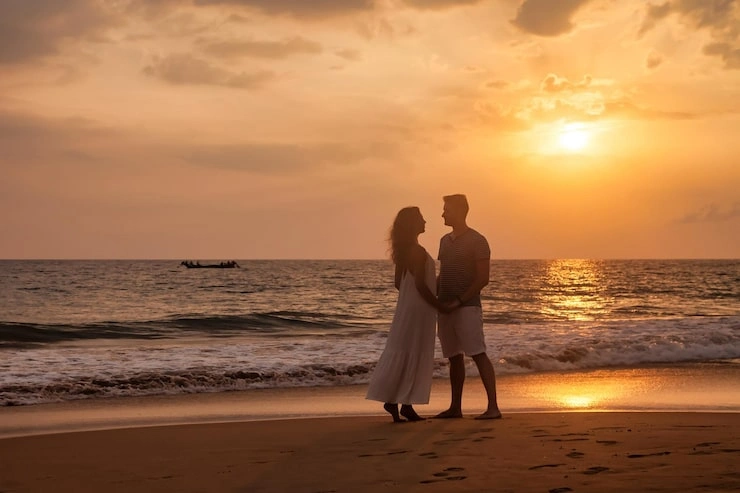
Sunsets turn beaches electric—orange skies, silhouettes kissing. Ideal camera settings for sunset beach portraits: ISO 100, f/4, 1/640th. Expose skin mid-frame; sky gradients self-beauty. What settings to use for beach couple photography? Wide stance, backlit poses—f/5.6 sharpens links, blurs waves. I captured a vow renewal; continuous AF tracked their sway.
- Golden hour wind? 1/800th. Silhouettes demand f/8 even light. White balance "cloudy" amps warmth—no auto orange washout.
- Scout hour before; face epic orb. Raw holds dynamic range for edits. Couples cherish these—timeless, fiery.
- Reality: bugs swarm at dusk. Spray up, shoot quick.
Key Takeaway: Sunset demands skin-priority exposure for romantic fire.
Essential Gear Tweaks and Beginner Wins
Gear elevates settings. Here's what sticks from gritty shoots—no fluff.
-
Lens hoods shield flare from glittering seas—must for every frame.
-
Polarizers tame reflections, deepen blues by stops.
-
5-in-1 reflectors fill shadows; foldable ones fit pockets.
-
Gray cards nail white balance against sandy casts.
Beginner camera settings for beach photography? Aperture priority, ISO lock low, histogram glances. I started fumbling; now pros copy me.
Pack smart: charged batteries, towel for sand. Edit shadows +15%, skin dodge soft. Your beach portraits evolve from good to gallery-worthy.
Key Takeaway: Gear bullets + basics rocket beginners to beach pro status.
Wrapping It with Pro Polish
- Polish comes last. Review in lightroom—curves lift haze, clarity adds pop without grit. Best camera settings for beach photography shine post-process: vibrance +10, no saturation overkill.
- Print test small; spots show. Frame with waves low, eyes rule thirds. Share stories—clients love "that gusty dusk shot."
- Years in, I still tweak. Beaches humble you. Apply these beach portrait photography settings; watch jaws drop.
- Key Takeaway: Post tweaks and framing turn settings into heirlooms.
Frequently Asked Questions
What are the best camera settings for beach portraits in sunlight?
ISO 100, f/4-5.6, 1/500th+, -0.5 to -1 exposure comp. Spot-meter face.
How to handle beach portraits in harsh light?
Shade seek, reflector fill, spot skin metering, polarizer on. Underexpose sky.
Ideal settings for sunset beach portraits?
ISO 100, f/4, 1/500th-800th. Expose subject; raw for sky recovery.
Settings for beach couple photography?
1/320th+, f/5.6, low ISO. Continuous AF, backlit poses.
Avoiding overexposure with bright beach skies?
-1 comp, face spot, polarizer. Let sky darken for subject pop.
Beginner tips for beach photography settings?
Aperture priority, ISO 100-400 cap, histogram check every shot.