
My first road trip was a disaster. I packed my whole house. I had clothes for two weeks. We were going for four days. My car was stuffed. My friend sat with a bag on her lap. We could not see out the back.
Then we got a flat tyre. No spare air. No inflator. No signal on the phone. We sat for three hours. A truck came finally. The driver helped us. He said road trip packing checklist for beginners.
I learned that day. Now I have done many trips. I have driven all over India. I know what works. I will tell you everything.
Why Packing Right Matters?
Beginners make two mistakes.
- First mistake. They pack too much. The car gets full. You cannot find things. You waste time. You get angry. The trip stops being fun.
- Second mistake. They pack too little. They forget chargers. They forget jackets. They forget medicine. Small things become big problems.
You need the middle ground. Pack what you need. Nothing more. This guide shows you how.
Read Also: How to plan a 7 day trip to Ladakh?
Car Things You Must Take
Most people worry about clothes. They forget the car. The car is your home on the road.
Spare Tyre
Check it before you go. Most people never check. I found my spare tyre flat one time. No air at all. If I had got a puncture, I would have been stuck.
Check the air pressure. Check for cuts. Check for bulges. A bad spare tyre is useless.
Tyre Inflator
Get a small inflator. It plugs into your car. It pumps air into tyres. Indian roads have nails and stones. You will get a puncture. It happens to everyone.
With an inflator, you pump up your tyre and drive to a shop. Without it, you wait for help. Keep one in your boot.
Jump Starter
Your battery can die. You leave lights on. You play music with engine off. The battery gives up.
Get a portable jump starter. It is a small battery pack. You connect it to your car battery. Your car starts. No other car needed.
It costs more than cables but it is worth it. I have used mine three times.
Basic Tools
Keep a small kit. Screwdriver with different heads. Pliers. Adjustable wrench. Tape. Zip ties.
These fix small problems. Loose mirror. Rattling part. Broken plastic piece. You fix it yourself and keep driving.
First Aid Box
Open it before every trip. Check what is inside. Replace old medicines.
Keep bandages. Keep antiseptic cream. Keep pain tablets. Keep medicine for stomach problems. New food can upset your stomach. Keep something for loose motions.
Keep scissors and tweezers too.
Torch
You will drive at night. You will stop in dark places. You need light.
A headlamp is better than a torch. It leaves your hands free. If you change a tyre in the dark, you need both hands. Get a headlamp. Keep spare batteries.
Reflective Triangle
If your car breaks down on the highway, put this behind your car. It warns other drivers. Trucks come fast on Indian highways. They need to see you from far away.
This triangle gives them time to slow down. It can save your life. Do not skip it.
Car Papers
Keep your licence in the car. Keep registration. Keep insurance. Keep pollution certificate.
Keep them in a plastic folder. Police check these papers. If you do not have them, you get a fine. Keep them ready. Keep them in one place.
Clothes And Packing
This is where beginners go crazy. They pack ten t-shirts for three days. They pack four pairs of shoes. Do not do this.
Wear Layers
Morning is cool. Afternoon is hot. Evening is windy. Night is cold.
Pack layers. Wear a cotton t-shirt. Carry a light jacket. When it gets hot, remove the jacket. When it gets cool, put it back.
One jacket works for many situations. It saves space.
Extra Underwear
Carry one extra pair for each day. These are small items. They take no space. But they keep you fresh. Change them daily. Wash them at the hotel. They dry fast.
One Nice Outfit
You will stop at a good restaurant. You will visit a temple. You will take photos. Keep one nice outfit. Clean shirt and clean pants. It makes you feel good.
Comfortable Clothes
You sit in the car for hours. Wear loose pants. Wear cotton t-shirts. Do not wear tight jeans. They press your waist. After four hours, you will feel terrible.
Two Pairs Of Shoes
One pair for driving. Comfortable and light.
One pair for walking. You stop at tourist places. You walk on uneven ground.
Take bathroom slippers too. Hotel floors are not clean.
Rain Things
Rain comes suddenly. Carry a foldable umbrella. Carry a light raincoat. They are small. They save you from getting wet. A wet person is cold and uncomfortable.
Food And Drinks
Eating on the road is fun. But it costs money. It can also be unhealthy. Pack your own things.
Water
This is the most important thing. Drink water all the time. Driving makes you tired. Water keeps you alert.
Carry a big bottle for each person. Refill at hotels and restaurants. Do not buy small bottles again and again. They cost more and create plastic waste.
Dry Snacks
Keep snacks that last long. Biscuits. Roasted chana. Peanuts. Dry fruits.
They give energy. They do not make your hands dirty. They are easy to eat while driving.
Avoid oily things. Chips make your hands greasy. Greasy hands are bad for driving.
Fruits
Apples. Bananas. Oranges.
They are healthy. They fill your stomach. They do not need a fridge. Eat them when you are hungry between meals. They give natural energy.
Quick Meals
You will stop at places with no good food. Keep instant noodles. Keep ready-to-eat meals.
They are light. They are easy to make. Most hotels have hot water. You make a meal in five minutes.
Cooler Bag
Get a small cooler bag. Put ice packs inside. Carry butter. Carry cheese. Carry cold drinks. Carry cooked food.
It keeps everything fresh. It is cheap and useful.
Paper Plates And Wet Wipes
Eating in the car gets messy. Keep paper plates. Keep napkins. Keep wet wipes.
Wet wipes are best. You clean your hands without water. You use them more than you think.
Tech Things
Technology makes trips easier. But you do not need everything.
Phone Mount
Keep your phone where you can see it. A phone mount attaches to the dashboard. It keeps your phone at eye level.
You do not look down to see the map. Looking down is dangerous. A phone mount is cheap. It makes driving safe.
Car Charger
Your phone does everything. Map. Music. Camera. It uses battery fast. A car charger keeps it charged.
Power Bank
What if the car stops? A power bank charges your phone without the car. Keep one fully charged power bank in your bag.
Offline Maps
Download maps before you leave. Indian highways do not have good internet. Offline maps work without internet.
They show the road and the turns. They do not show live traffic. But they stop you from getting lost.
Open Google Maps. Search your destination. Download the offline map. Do this for every place you visit.
Music
Make a playlist before you leave. Download the songs. Download podcasts.
You will not have internet on many roads. Downloaded music keeps you entertained. Long drives are better with good music.
Back Seat Holder
If you travel with family, keep a phone holder for the back seat. People in the back watch movies. They stay happy. Happy passengers make a happy trip.
Camera
You see beautiful places. You want to remember them. A good phone camera is enough for most people.
If you have a proper camera, carry it. Carry extra memory cards. Carry extra batteries.
You May Also Like: Outdoor Travel Destinations for Adventure Lovers
Comfort Things
Sitting in a car for hours is hard. Your back hurts. Your neck hurts. Your legs get stiff.
Neck Pillow
This small thing changes everything. It supports your head. It stops your head from falling sideways. It prevents neck pain.
Get a small one. Inflatable ones are easy to carry. Foam ones are comfortable.
Back Support
Car seats are not always comfortable. Some cars do not support your back. A small cushion helps. It fills the gap. Your back stays straight. You feel less tired.
Eye Mask And Earplugs
You want to sleep while someone else drives. But the sun is bright. The road is noisy.
An eye mask covers your eyes. Earplugs block the noise. You sleep properly. Even twenty minutes of sleep refreshes you.
Light Blanket
Weather changes. You feel cold in the car. A light blanket helps. You cover yourself when AC is cold. You also use it as a pillow. One item with many uses.
Trash Bag
Keep a small bag for trash. Wrappers and bottles pile up. Do not throw them out the window. It is bad for the environment. It is illegal in many places. Keep trash and throw it at the next road trip packing checklist for beginners.
Money And Documents
This is boring but important.
Licence And ID
Keep your licence safe. Keep it in a small pouch. Police checks are common.
Keep another ID too. Aadhaar card works. Hotels ask for ID.
Keep originals. Keep photocopies too. Photocopies stay in the car. Originals stay on you.
Insurance And Pollution
- These are required by law. Police check them.
- Keep insurance papers. Keep pollution certificate.
- Check expiry dates before you go. Renew them if needed.
Cash And Cards
- Many shops do not take cards. Petrol pumps do not take cards. They want cash.
- Keep enough cash. Keep big notes and small notes. Small notes are for tolls and tea.
- Keep two cards. One card can stop working. The second card is backup.
- Keep cards and cash in two places. If you lose one, you have the other.
Hotel Bookings
Keep confirmation on your phone. Take a printout too. Some hotels do not have good internet. A printout makes check-in smooth. It also has the address and phone number. You navigate easily.
Emergency Contacts
- Write down numbers of family and friends. Keep in wallet. Save on phone.
- Save police numbers. Save ambulance numbers. For the states you visit.
What To Leave At Home?
This list is important. Many people pack things they never use.
Too Many Clothes
Do not pack a different outfit for each day. Pack for half the days. Going for five days? Pack three sets.
Wash at the hotel. Most hotels have washing service. Some have machines. Washing is easy.
Heavy Books
Books are heavy. They take space. Use your phone. Use an e-reader. One device holds many books. Light and easy.
Expensive Jewellery
Do not carry expensive jewellery. You travel. You stay at different places. You can lose them. Keep things simple.
Too Much Food
Carry snacks. But do not overdo it. You find food on the road. India has dhabas everywhere. Try local food. That is the fun part.
Extra Gadgets
Do not carry laptop and tablet and phone. One device is enough. Phone works for most things. Keep it simple.
Glass Things
Do not carry glass bottles. The car shakes on rough roads. Things break. Use plastic or metal.
Smart Packing Tips
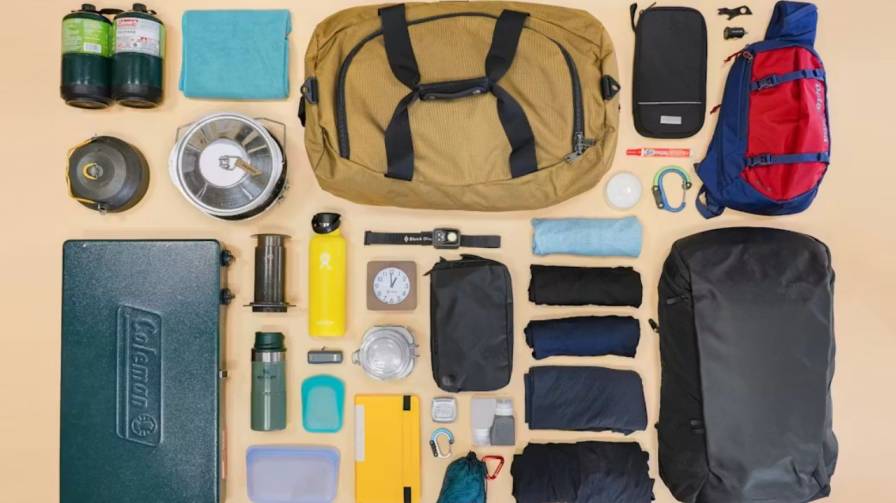
I learned these tricks over many trips.
One Night Bag
- Pack one small bag for one night. Change of clothes. Toiletries. Phone charger.
- When you stop at a hotel, take only this bag inside. Leave big bags in the car.
- You do not carry everything in and out every night. Check-in is faster. Car stays organised.
Pack By Category
Do not put everything in one bag. Clothes in one bag. Food in another. Tools in another.
You know where everything is. You do not dig through everything. Things you use often stay in front seat. Water. Snacks. Charger.
Roll Your Clothes
Rolling saves space. It stops wrinkles. Fold clothes into a long strip. Roll them tight. They take less space. You fit more in your bag.
Important Things On Top
Keep documents on top. Keep phone on top. Keep wallet on top. You need them often. Keep them in a side pocket. This saves time.
Check Spare Tyre
Many people forget. They think it is fine. Check air pressure. Check for damage. A flat spare is useless. Take five minutes.
First Day Plan
Do not drive too far on day one. Plan your first stop within three hundred kilometres. You get used to the car. You get used to the road. You adjust your packing if you forgot something. First day is for settling in.
Common Mistakes
I have seen these again and again.
Overpacking
Biggest mistake. Beginners pack so much the car becomes a store room. You cannot move. You cannot find things. Windows are blocked. This is unsafe.
Pack light. You can buy things on the road if needed.
Forgetting Petrol
Do not wait for the light. Fill when tank is half empty. Highways have pumps far apart. Remote areas have no pump for a hundred kilometres. Keep tank half full.
Not Drinking Water
When you drive, you do not feel thirsty. But your body needs water. Dehydration makes you tired. Drink water regularly. Take small sips every thirty minutes.
No Breaks
- Driving for hours without break is dangerous. Muscles get stiff. Eyes get tired. Mind loses focus.
- Stop every two hours. Get out. Walk five minutes. Stretch your legs. Small break refreshes you.
Skipping Car Check
- Check before you start. Engine oil. Brake oil. Coolant. Washer fluid. Lights. Indicators. Brakes.
- Small problem in the city becomes big problem on highway. Take car to mechanic a day before.
Final Checklist
Look at this one last time.
- Spare tyre
- Tyre inflator
- Jump starter
- Basic tools
- First aid box
- Torch or headlamp
- Reflective triangle
- Driving licence
- Car papers
- Clothes
- Driving shoes
- Walking shoes
- Raincoat
- Umbrella
- Water bottles
- Snacks
- Fruits
- Quick meals
- Cooler bag
- Phone mount
- Car charger
- Power bank
- Offline maps
- Music
- Neck pillow
- Back support
- Blanket
- Cash
- Cards
- Hotel bookings
- Emergency contacts
Tick each item as you put it in the car. You do not forget anything.
Conclusion
Your first road trip is special. You remember it forever. The open road. The changing land. New people. New food. Do not let packing stress ruin it. Pack with a plan. Pack light. Pack smart. You do not need everything you own. You need what you need. The rest you find on the way. The most important thing is not in your bag. It is in your heart. Your excitement. Your curiosity. Your wish to explore.